What Is SLS 3D Printing: Selective Laser Sintering

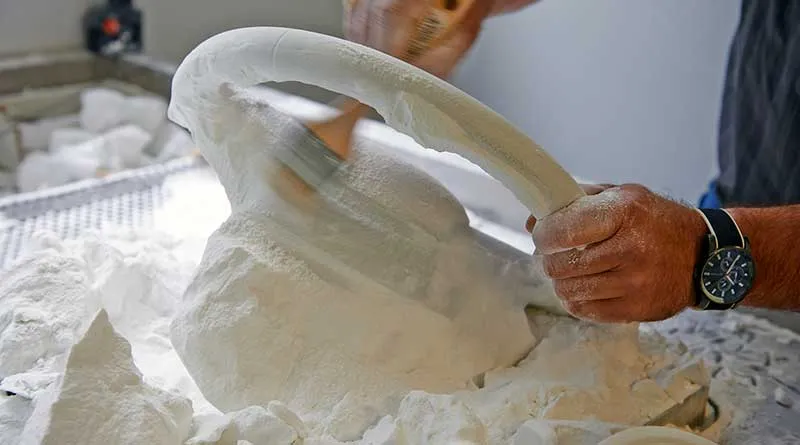
SLS 3D printing, or selective laser sintering, is an advanced additive manufacturing technique that uses lasers to fuse thermoplastic powders, creating three-dimensional objects without the need for printing supports.
SLS 3D printing has become a highly significant manufacturing technique due to its ability to create strong, detailed objects without the need for print supports.
This technology makes it possible to produce complex, functional parts with high precision and durability in various industries, such as the automotive, aerospace, and medical sectors.
In this article, we will explore in detail what SLS 3D printing is, how this technology works, the materials that can be used, its advantages and disadvantages compared to other techniques, as well as the sustainability and cost associated with this technology.
We'll also learn how an online SLS 3D printing service can be an excellent option for beginners and businesses looking to produce high-quality, high-precision 3D prints.
What Is SLS 3D Printing?
SLS 3D printing, also known as selective laser sintering, is an additive manufacturing technique that uses high-power lasers to fuse and solidify layers of thermoplastic powder, building three-dimensional objects.
Unlike other 3D printing technologies, SLS does not require the use of printing supports, since the unused powder itself acts as a temporary support during the process.
An SLS 3D printer consists of a build platform on which the powder is placed, a high-power laser, and a scanner that directs the laser toward specific areas of the powder to fuse them together and form each layer of the part. As each layer is completed, the build platform descends to allow the next layer to be formed, and so on until the object is complete.
YouTube channel: PCBWay
Selective laser sintering offers the advantage of producing parts with high precision and strength, making it an ideal choice for applications that require high quality and durability, such as functional prototypes, final parts, and complex components across various industries.
How the SLS Works
An SLS 3D printer consists of several key components.
First, the thermoplastic powder is loaded onto a build platform, which is maintained at a controlled temperature.
Next, the high-power laser scans the surface of the powder and melts it in specific areas according to the coordinates provided by the digital 3D model.
The process is repeated layer by layer, with each melted layer solidifying and fusing with the previous layers.
Because the unused powder acts as a support during the process, parts can have more complex shapes and geometries without the need for additional supports.
YouTube Channel: Romis Paraguay, Inc.
This process enables the production of highly detailed and precise parts with excellent mechanical strength and a smooth, uniform surface finish.
It is important to note that after printing, the parts must undergo a cooling process and have any unfused powder removed before they can be used.
What materials can be used in selective laser sintering technology?
Selective laser sintering technology allows for the use of a wide range of thermoplastic materials.
The most common materials used in SLS 3D printing include nylon (PA12), Nylon with Glass Fiber (PA12+35%FV) y TPU .
These materials offer a combination of mechanical, thermal, and chemical properties that make them ideal for a variety of industrial and design applications.
The powder form of these materials comes in different sizes and has specific properties, allowing manufacturers to choose the right material for their design and performance needs.
The variety of materials available in SLS technology makes it a versatile option suitable for a wide range of applications, from prototype manufacturing to the production of custom final parts.
It is important to note that selective laser sintering technology continues to advance, and new materials are being researched and developed that further expand the range of applications for SLS 3D printing across various industries.
Which is better, FDM or SLS?
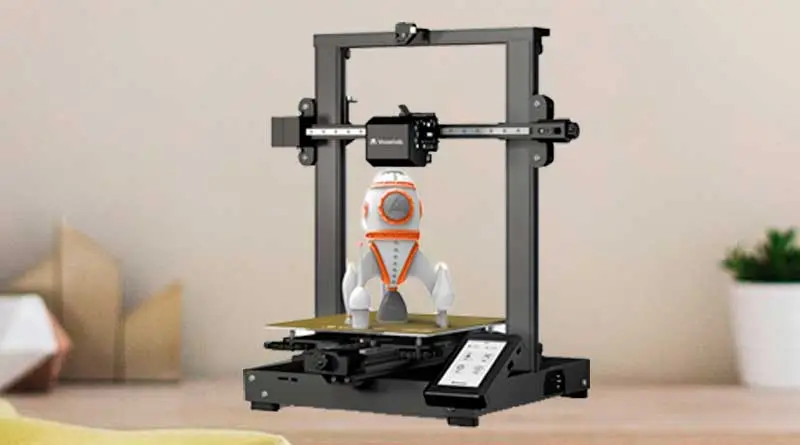
The choice between FDM (Fused Deposition Modeling) and SLS (Selective Laser Sintering) technology depends on the specific needs and objectives of each project.
Both 3D printing technologies have their advantages and disadvantages, and the right choice will depend on factors such as the type of part to be printed, precision requirements, the necessary mechanical strength, and the available budget.
FDM 3D printing is best suited for projects with more basic requirements, such as low-resolution prototypes, decorative parts, or components that are not exposed to extreme conditions.
It is a more cost-effective and user-friendly technology, and it offers a wide range of available materials.
On the other hand, SLS 3D printing is preferable for projects that require parts with high precision, mechanical strength, and durability.
This technology is ideal for producing functional parts, engineering prototypes, tools, and components that need to withstand extreme temperatures or harsh conditions.
It is important to carefully assess the project's needs and requirements before making a decision.
In many cases, companies use both 3D printing technologies in a complementary manner, depending on the type of part and the product's intended use.
What is the difference between SLA and SLS?
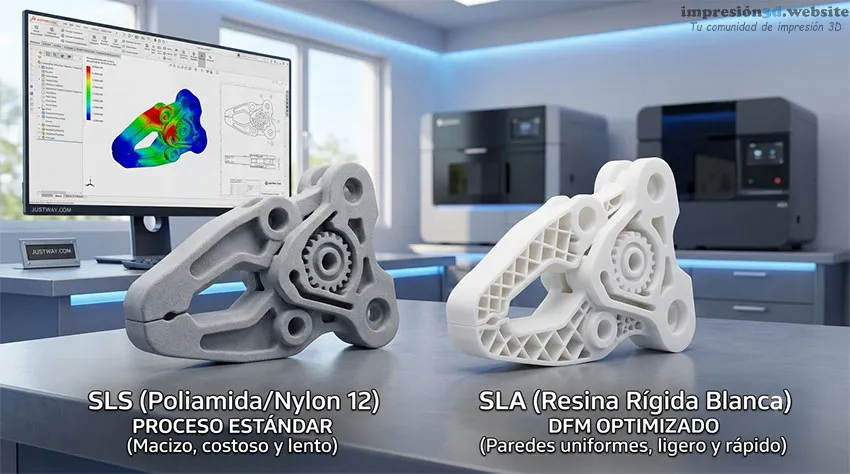
The difference between SLA (Stereolithography) and SLS (Selective Laser Sintering) lies in the materials and the printing process. While SLA uses photoresins and an ultraviolet laser to solidify the layers, SLS uses thermoplastic powders and a high-power laser to fuse the particles.
Both technologies produce high-quality prints, but each is better suited for certain types of projects.
SLA technology is ideal for high-precision printing and fine details, making it perfect for creating detailed models and small parts.
On the other hand, SLS technology is preferable for stronger, more durable parts with more complex geometries that do not require printing supports.
Both technologies have their advantages and disadvantages, and the choice will depend on the specific requirements of the project and the type of part you want to print.
Is SLS 3D printing sustainable?
SLS 3D printing is considered a more sustainable manufacturing technology compared to other production methods.
One of the main reasons is that The selective laser sintering process does not require the use of printing supports, which means there is less material waste during manufacturing.
In addition, Powder left over from 3D SLS printing can be reused in future projects, which further reduces waste generation.
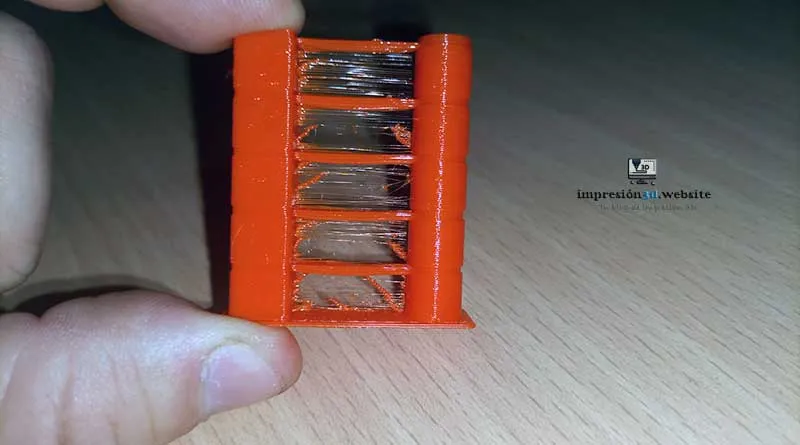
This contrasts with FDM technology, where print supports must be removed after printing, which generates additional waste.
The ability to reuse unused powder in SLS 3D printing also It helps reduce operating costs by maximizing the use of materials and minimizing waste.
In general, SLS 3D printing has emerged as a more sustainable option for manufacturing parts, especially for companies and industries seeking to reduce their carbon footprint and generate less waste during the production process.
Why is SLS 3D printing so expensive?
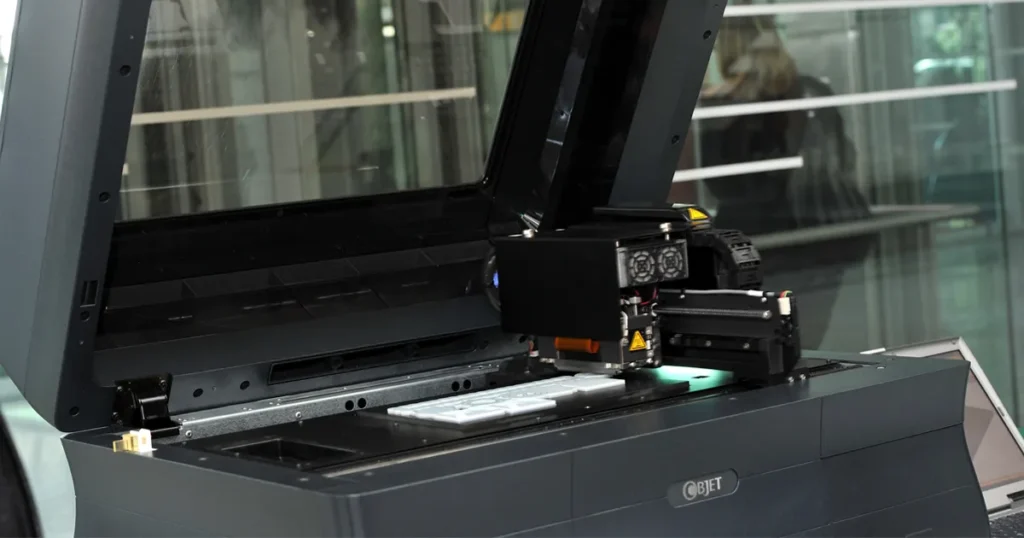
The cost associated with SLS 3D printing may be higher compared to other 3D printing technologies, such as FDM.
This is due to several factors:
Advanced technology: SLS 3D printing uses high-power lasers and sophisticated scanning systems to fuse the material powder, which requires technology more complex and costly.
Specialized materials: The materials used in SLS technology, such as certain thermoplastic powders, are more expensive compared to the filaments used in FDM.
Less competition in the market: SLS 3D printing is a more specialized and less common technology compared to FDM, which can result in a fewer suppliers and increased demand for services, which in turn drives up costs.
It is important to note that, despite the initial costs, SLS 3D printing offers excellent value for money for certain applications and projects that require durable, precise, and high-quality parts.
The return on investment can be significant, especially for industries such as the automotive, aerospace, and medical sectors, where quality and durability are essential.
Online SLS 3D Printing Service
Selective laser sintering (SLS) technology is highly specialized and requires specific equipment and expertise to produce high-quality prints.
For those who want to take advantage of the benefits of SLS 3D printing without investing in their own printer, online SLS 3D printing services are an excellent option.
An online service like PCBWay offers the opportunity to access SLS technology without having to own a printer or deal with the complexities of SLS printing.
PCBWay has state-of-the-art SLS 3D printers and a team of 3D printing experts, ensuring precise, high-quality results.
With PCBWay, customers can upload their 3D models to the website, select materials, and receive a free, personalized quote.
In addition, with the online rapid prototyping service, offer the advantage of producing unique, custom-made parts, which is ideal for prototypes, custom projects, and functional parts.

With a focus on customer satisfaction and superior results, PCBWay has become a trusted choice for those looking to take advantage of SLS 3D printing in their projects.
PCBWay's online SLS 3D printing service offers a convenient and cost-effective solution for producing high-quality parts without the costs and complexity of operating your own SLS 3D printer.
Conclusions
SLS 3D printing, or selective laser sintering, is an advanced additive manufacturing technology that uses high-power lasers to fuse thermoplastic powders in layers, forming three-dimensional objects without the need for printing supports.
This technique produces parts with high precision and durability, making it an ideal choice for a variety of industries and applications.
Throughout this article, we have explored what SLS 3D printing is, how it works, the materials used, and how it compares to other 3D printing technologies. We have also discussed its sustainability, the associated costs, and the benefits of using online SLS 3D printing services.
If you're looking to produce complex, durable parts with high precision, SLS 3D printing may be the solution you're looking for.
Whether for functional prototypes, final parts, or custom components, selective laser sintering technology offers significant potential for innovation and the creation of high-quality products.
Frequently Asked Questions:
What is SLS 3D printing?
SLS 3D printing, or selective laser sintering, is an additive manufacturing technique that uses lasers to fuse thermoplastic powders in layers, creating three-dimensional objects without the need for printing supports. It is widely used in various industries to create strong, complex parts with high precision and efficiency.
What is the difference between SLA and SLS?
The difference between SLA (Stereolithography) and SLS (Selective Laser Sintering) lies in the materials and the printing process. While SLA uses photosensitive resins and an ultraviolet laser to cure the layers, SLS uses thermoplastic powders and a high-power laser to fuse the particles. Both technologies produce high-quality prints, but each is better suited for certain types of projects.
Is SLS 3D printing sustainable?
Yes, SLS 3D printing is considered a more sustainable manufacturing technology compared to other production methods. The process does not require printing supports, which reduces material waste, and unused powder can be reused for future prints. This contributes to less waste generation and greater efficiency in the use of materials.
I invite you to read: Top 10: Best 3D Printers for Beginners A post you might find interesting
[…] What Is SLS 3D Printing: Selective Laser Sintering […]