What to Know Before Buying a 3D Printer

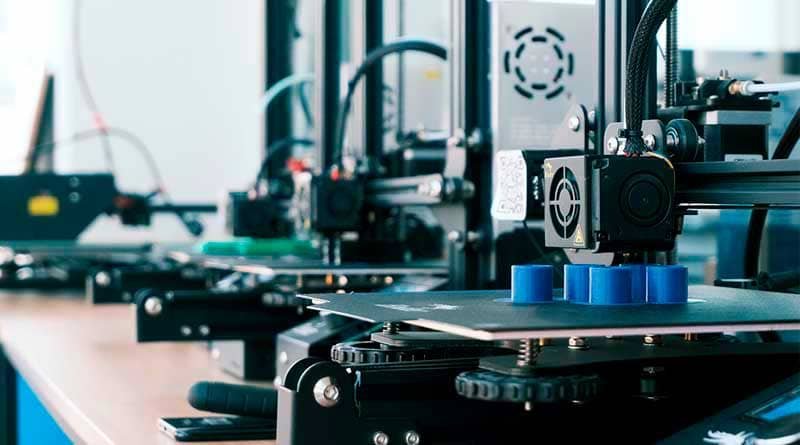
If you're thinking about buying a 3D printer, there are a few things you should know first. Knowing them ahead of time will help you make a better choice and keep in mind some things that nobody talks about.
- How much space will the 3D printer take up?.
- Where will you store the filament spools (neatly organized)?.
- The location of the tools.
- What kind of noise will the printer make when it's running?
- Expenses for improvements—inevitable.
- How much electricity will the printer use?
- Are 3D printer replacement parts sold in your city?
- Is there enough information online about how to repair the 3D printer you want to buy?
How much space will the 3D printer take up?
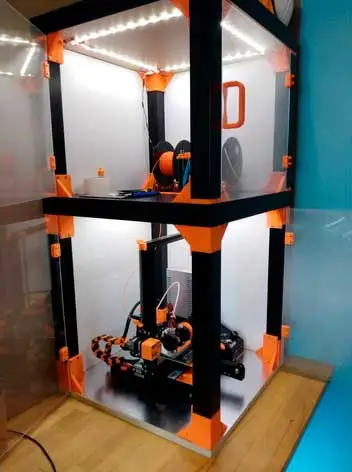
The amount of space your printer will take up is one of those topics that nobody talks about, and unfortunately, many people may make the mistake of buying a printer and then not knowing where to put it.
If you already know which printer you want to buy, then you should consider its size and how much space it will take up where you plan to place it.
If you still don't know which printer you want or which one is right for you, then you'll need to find out, since it's essential to know its width, height, and depth.
by Woody1978
Where will you store the filament spools?.
Where will you store your filament spools?
When you buy a 3D printer, the first thing you do is to experiment And you do this by trying out different colors and types of filament, and before you know it, you have a bunch of spools scattered all over the place.

by rodrim September 28, 2018
Proper storage of the filaments will largely determine the quality of these, since there are filaments capable of absorbing a large amount of humidity on the environment, which will have side effects when printing with them. You can read an article about it here
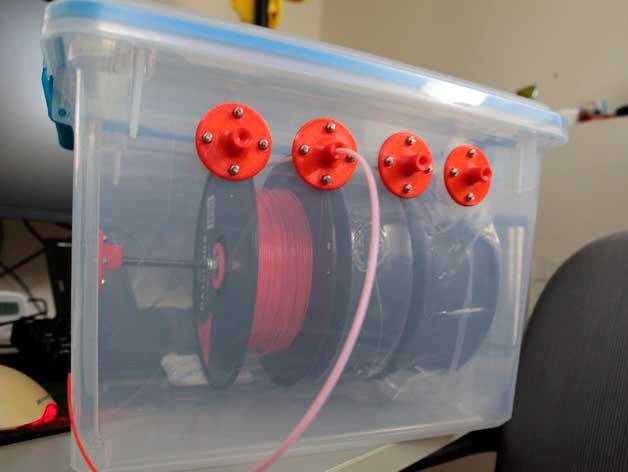
by bummster August 9, 2015
Location of the Tools
When working with 3D printers, you'll definitely need to perform maintenance, and as you learn more, you'll want to experiment with different types of nozzles and make improvements to your printer.
You should keep this in mind before choosing your printer. Some models, such as the Ender 3, have spaces where you can install drawers, which can be printed from Thingiverse.
With other printers, you'll need to find a way to organize your tools, since you don't want to have them all lying around.

by Cassin December 22, 2019
Noise
For those who don't know, 3D printers, They're very loud.
You might not notice it during the day because of all the activity at home, but at night, when it gets quiet, it will be a problem.
So if you're married, in a relationship, or living in a studio apartment, you should keep that in mind.
In these cases, you should consider buying a slightly more expensive printer that includes silent drivers or replace the 3D printer's motherboard with one that already includes them (which will cost extra).


Expenses for Improvements
This is very important, and we need to keep it in mind. The most affordable 3D printers will always be affordable for a reason.
The reason many 3D printers are inexpensive is that their manufacturers use cheap, low-quality parts.
In my case, I bought an Ender 3 Pro, and after a month, the extruder arm—which is made of plastic—broke, so I had to replace it with a higher-quality, much more expensive aluminum one.
Things like this cause expenses don't run out when you buy the printer, but rather that you continue to buy (higher-quality) parts until the printer is properly assembled and working flawlessly.
Electricity Costs
It may not be important enough to consider, since a single printer probably won't have much of an impact on your electricity bill, but it's important to understand that electricity doesn't cost the same in every country.
You must conduct a consumption analysis of the printer you choose to buy—especially if, after a while, you want to buy more printers, or if you decide to get into 3D printing and want to set up a printer farm.
Before buying a 3D printer, make sure spare parts are available in your city.
Yesterday I had to print a large-volume job at the request of a client who is a friend, and it turns out I had some under-extrusion issues.
This printer isn't an Ender 3—which is already very well known and has replacement parts available everywhere—but rather a Wanhao D9 Mark 2.
The thing is, I just realized yesterday that You can't get replacement parts for it like you can for any other printer in my city.
If I had known this, I would have considered other options before buying it.
Finding Enough Information Online
If you're buying a 3D printer for the first time, you'll probably need help from videos or websites to clear up any questions you may have.
This is something to keep in mind if it's your first time. When you're ready to buy a printer, make sure to find enough information
YouTube Channel: Xataka TV
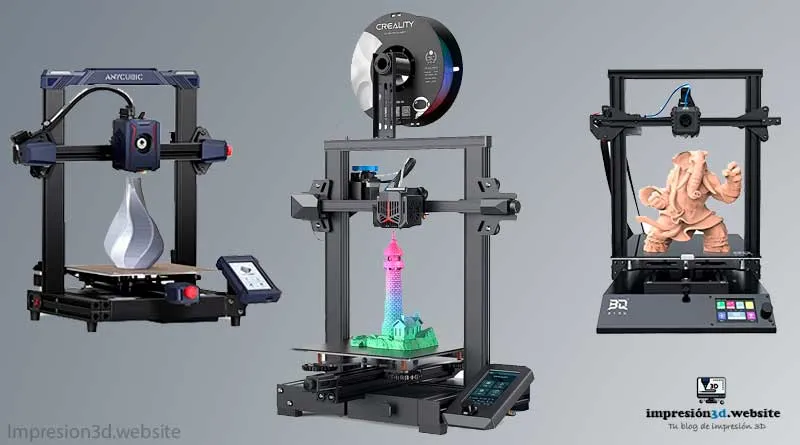
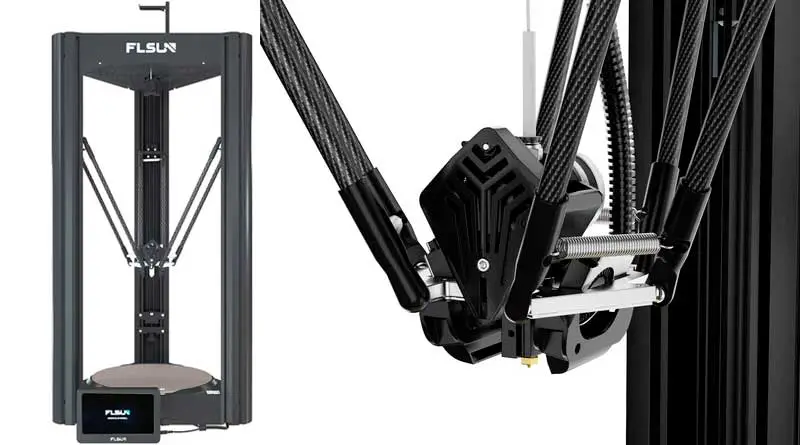
[…] Thank you for visiting. I invite you to read the following post, which may be of interest to you: What to Know Before Buying a 3D Printer […]