3D printing, CNC machining, or injection molding?

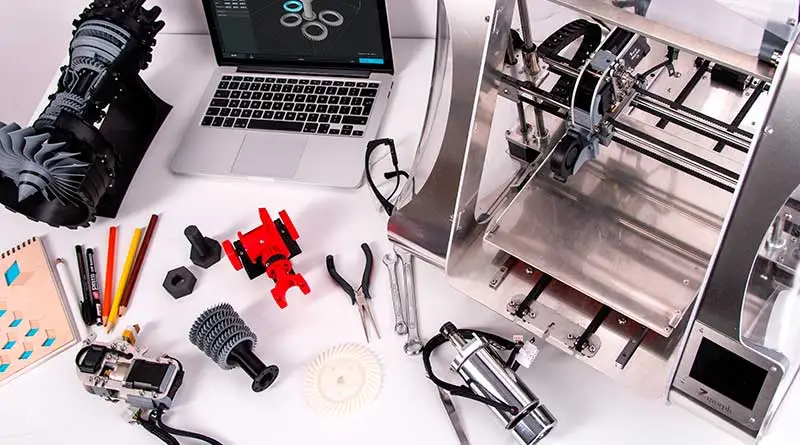
With the constant evolution of technology, now more than ever, manufacturers and designers have access to a variety of advanced manufacturing methods. Among these methods, three stand out: 3D printing, CNC machining, and injection molding.
In the world of manufacturing and prototyping, choosing the right manufacturing process is a crucial step that can make the difference between success and frustration in a project.
In this comprehensive guide, we will explore each of these manufacturing processes in detail, breaking down their fundamental concepts and typical applications, and answering the most common questions that interested readers may have.
Whether you're considering prototyping, small-scale production, or large-scale manufacturing, understanding the strengths and limitations of each process is essential to making an informed decision.
Throughout this article, we'll provide specific examples and real-world use cases to illustrate how these methods are applied in various industries and projects.
Finally, we'll walk you through a comprehensive comparison of these three processes, taking into account key factors such as design complexity, production volume, and cost, to help you determine which one is best suited for your specific project.
Keep reading to dive into the world of 3D printing, CNC machining, and injection molding, and discover which of these manufacturing methods will help you turn your ideas into reality.
3D Printing
3D printing has revolutionized manufacturing in recent years and has become an essential tool in a wide variety of industries. In this section, we will take an in-depth look at what 3D printing is, how it works, and the most common applications of this additive manufacturing technology.
What Is 3D Printing?
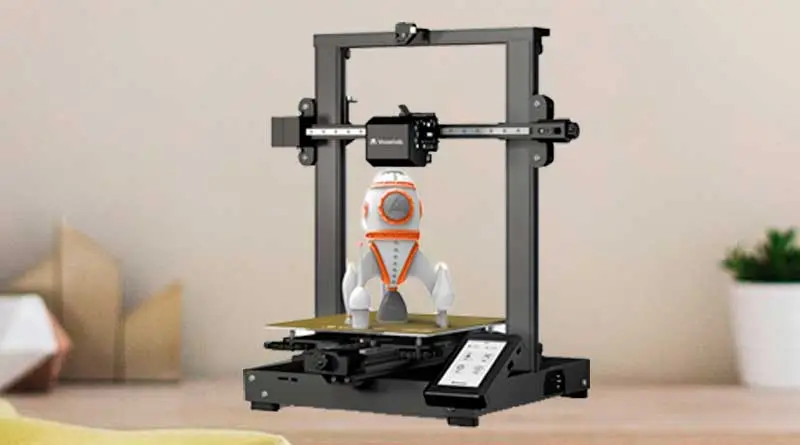
3D printing, also known as additive manufacturing, is a process for creating three-dimensional objects from digital models.
Unlike traditional manufacturing methods, which are typically subtractive, 3D printing builds objects layer by layer. This allows for the efficient and precise creation of complex shapes and geometries.
In 3D printing, a material—such as plastic, metal, or photosensitive resin—is deposited or solidified layer by layer using a variety of technologies.
YouTube Channel: MakerMaverick
These technologies include Fused Deposition Modeling (FDM), Stereolithography (SLA), Digital Light Processing (DLP), and Selective Laser Sintering (SLS), among others.
What types of materials can be used in 3D printing?
3D printing supports a wide range of materials, from plastics such as PLA and ABS to metals such as aluminum and stainless steel. It is even possible to print with photopolymer resins to achieve exceptional detail.
How accurate is 3D printing?
Accuracy varies depending on the technology and printer used, but in general, 3D printing can achieve astonishing levels of detail, with layers as thin as just a few micrometers.
Examples of Typical 3D Printing Projects
- Rapid prototyping of products and parts.
- Architectural model and scale model fabrication.
- Production of custom-made items, such as prosthetics and jewelry.
- Manufacturing of spare parts and machine components.
- Development of medical products, such as implants and anatomical models.
3D printing has proven to be a valuable technology across a variety of industries. As we move through this comparison guide, we’ll explore how 3D printing compares to other manufacturing processes, such as CNC machining and injection molding.
CNC Machining
CNC machining, or Computerized Numerical Control, is a precise and versatile manufacturing technology that has been essential in the production of high-quality parts and components across a variety of industries.
In this section, we'll take an in-depth look at what CNC machining is, how it works, and what its most common applications are.
What Is CNC Machining?
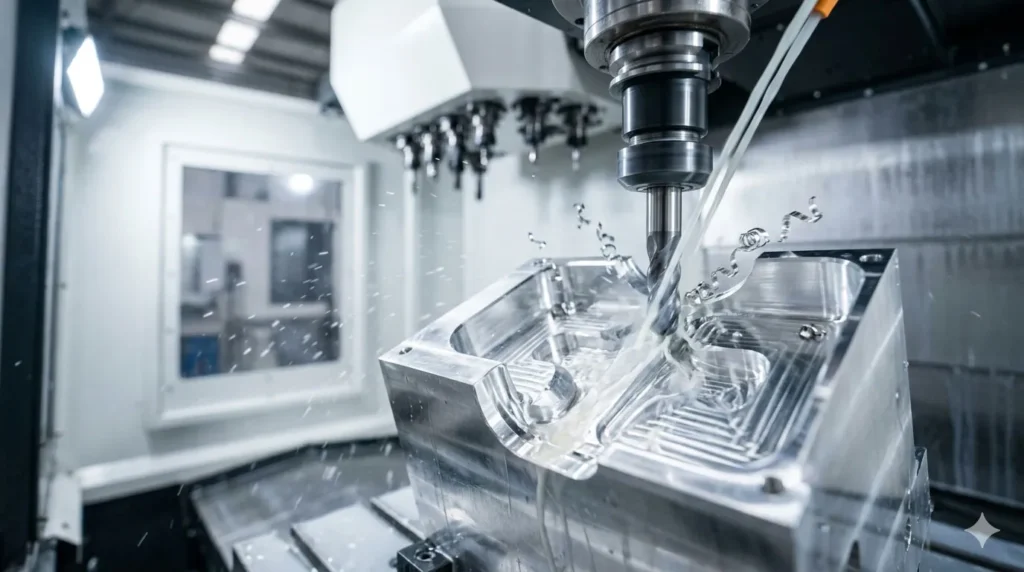
CNC machining is a manufacturing process that uses a computer-controlled machine tool to remove material from a blank and shape it into a finished part with high precision.
CNC machines, such as lathes and milling machines, are capable of moving and operating with extreme precision thanks to numerical control programming. This enables the production of parts with complex geometries and tight tolerances.
YouTube Channel: The Real Discovery
Unlike 3D printing, which is an additive process, CNC machining is a subtractive process, meaning that material is removed from a workpiece to create the desired shape.
What are the advantages of CNC machining?
CNC machining offers high precision and repeatability, making it an ideal choice for parts that require tight tolerances.
In addition, it is suitable for a wide range of materials, from plastics and metals to composites.
What are the limitations of CNC machining?
CNC machining may be slower than 3D printing when it comes to producing prototypes and one-off parts.
It can also be costly for high-volume manufacturing due to machine setup and programming time.
Examples of Typical CNC Machining Projects
- Manufacturing of precision parts for the aerospace industry.
- Manufacturing of medical components, such as implants and surgical instruments.
- Manufacturing of molds and dies for the plastics and foundry industries.
- Machining of automotive parts for high-end vehicles.
- Manufacturing of electronic components and industrial machinery parts.
CNC machining has been a mainstay of high-precision manufacturing for decades. As we continue this comparison, we will explore how it compares to 3D printing and injection molding in terms of applications, costs, and efficiency.
Injection Molding
Injection molding is a widely used manufacturing process that enables the large-scale production of parts made of plastic and other materials.
In this section, we will explore in detail what injection molding is, how it works, and the most common applications of this manufacturing technology.
What Is Injection Molding?
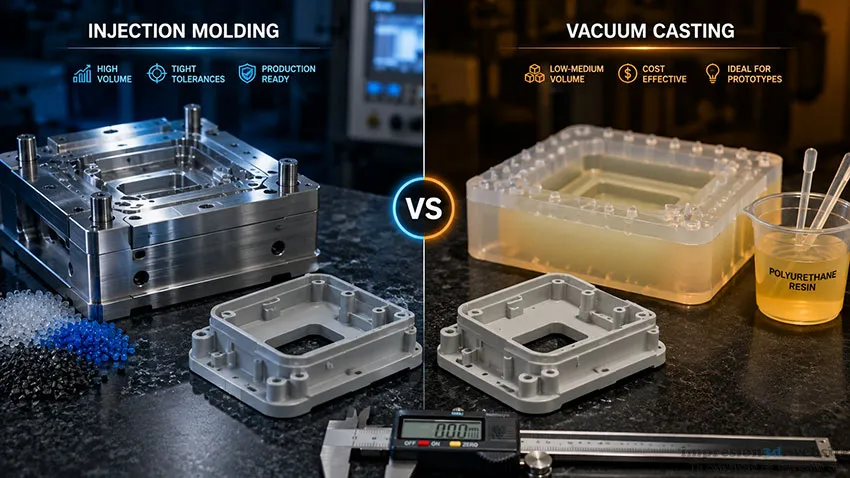
Injection molding is a process that involves injecting a molten material, usually plastic, into a mold with a specific shape.
Once the material cools and solidifies, it is removed from the mold as a finished part. This process is highly efficient and is used for the mass production of identical parts.
YouTube Channel: PCBWay
Injection molding is used in a wide variety of industries and is particularly valuable for manufacturing complex parts with intricate details and tight tolerances.
What are the advantages of injection molding?
Injection molding is ideal for large-scale production and offers high precision and repeatability.
It is cost-effective when manufacturing large quantities of identical parts.
What are the limitations of injection molding?
The initial cost of creating a mold can be high, which may not be cost-effective for small-volume production. In addition, designing the mold can take time and effort.
Examples of Typical Injection Molding Projects
- Manufacturing of plastic components for the automotive industry.
- Production of packaging and plastic containers.
- Manufacturing of electronic parts and components for devices.
- Manufacturing of toys and consumer products.
- Manufacturing of medical devices, such as syringes and medical equipment components.
Injection molding has been essential in the large-scale manufacture of plastic parts.
As we continue with this comparison, we'll explore how it compares to 3D printing and CNC machining, and how to choose the right method for specific projects based on several key factors.
Comparison of 3D Printing, CNC Machining, and Injection Molding
In this key section of our comparison guide, we will take an in-depth look at the fundamental differences between 3D printing, CNC machining, and injection molding.
By understanding the strengths and limitations of each process, you'll be able to make informed decisions for your specific project.
Factors to Consider
Before deciding which manufacturing process to use, it is essential to consider several key factors. These factors include:
- Design Complexity: 3D printing is ideal for complex geometries, while CNC machining and injection molding are better suited for simpler shapes.
- Production Volume: 3D printing is excellent for prototypes and small batches, while CNC machining and injection molding are more efficient for mass production.
- Cost: Each process has different initial and ongoing costs. It's essential to assess your budget.
- Material: The materials available for each process vary, which will affect their suitability for your application.
Examples of Project Scenarios
To help you make more specific decisions, let's consider several common project scenarios:
Project 1: Custom Product Prototype
- In this case, 3D printing might be the right choice because of its ability to create prototypes quickly and with complex geometries.
Project 2: Production of Precision Metal Parts
- For high-precision metal parts, CNC machining is the preferred option because of its ability to achieve tight tolerances.
Project 3: Mass Production of Plastic Components
- Injection molding is the ideal choice for the mass production of identical plastic parts because of its efficiency and cost-effectiveness.
Final Thoughts
Each manufacturing process has its own advantages and limitations, and the choice ultimately depends on your specific goals and requirements.
Before making a decision, it is essential to conduct further research, calculate costs, and, if necessary, consult with experts in the field.
To help you make informed decisions about your project—whether it's a custom product prototype, the production of precision components, or the mass production of parts—I'm going to provide a link to an online manufacturing cost calculator.
Manufacturing Cost Calculators
A valuable tool to help you decide between these methods is the use of online calculators manufacturing costs. These calculators allow you to estimate the costs of your project based on specifications and production volumes.
PCBWay.com, a leading rapid prototyping company, offers a online calculator rapid prototyping services that can help you get an accurate cost estimate for 3D printing, CNC machining, and injection molding.

An online service like PCBWay gives you access to advanced manufacturing technologies—such as 3D printing, CNC machining, and injection molding—without having to invest in expensive machinery or deal with the complexity of operating it.
And the best part? You can choose the materials that are best suited for your project and Get a personalized quote at no cost.
This feature is especially beneficial when you're looking to produce unique, custom-made parts for prototypes, custom projects, or functional components…
Conclusion
As you reach the end of this guide comparing 3D printing, CNC machining, and injection molding, we hope you now have a clearer understanding of each of these manufacturing processes and how they are applied in a variety of projects and scenarios.
Summary of the Key Points of Each Process:
- 3D Printing: It is an excellent option for rapid prototyping, complex geometries, and small quantities. It offers versatility in the choice of materials.
- CNC Machining: It excels in the production of high-precision parts, especially those made of metal. It is suitable for medium- to low-volume production.
- Injection Molding: It is the preferred choice for the mass production of identical plastic parts because of its efficiency and cost-effectiveness.
Final Thoughts:
- The choice of manufacturing process depends on the complexity of the design, the production volume, and the project budget.
- Each process has its own unique advantages and limitations, and it is essential to consider these factors before making a decision.
- Working with experts in manufacturing and design can help you make more informed decisions and maximize the success of your project.
Remember that there is no one-size-fits-all approach for every project. Choosing the right manufacturing method ultimately depends on your specific needs and goals. Whether you’re developing a custom prototype, producing high-precision components, or mass-producing parts, understanding these manufacturing technologies will help you make informed decisions and achieve your goals effectively.
If you have further questions or need additional guidance on a specific project, don't hesitate to seek professional advice. Manufacturing is a diverse and exciting field, and choosing the right path is essential to the success of your project.
Responses