California Bill AB 2047: Is the Freedom of 3D Printing and CNC Coming to an End?

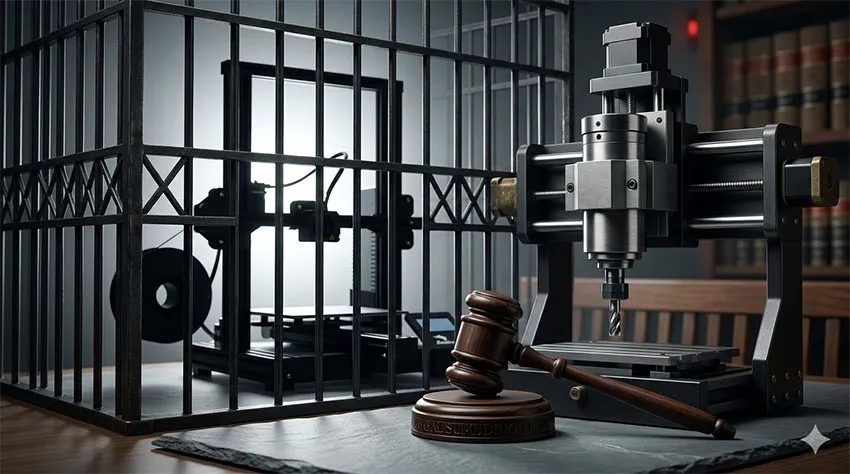
Digital manufacturing is facing its most significant legal challenge to date. In the state of California, the technological epicenter of the U.S., a debate is underway over the Assembly Bill 2047 (AB 2047), a bill that seeks to strictly regulate the sale and possession of 3D printers and CNC machines. What began as an effort to control homemade firearms could end up being a game-changer for engineers, makers, and companies around the world.
What is AB 2047, and why is it coming up now?
To understand this law, we need to talk about “ghost guns” (ghost guns). These are firearms that do not have serial numbers and are manufactured privately, often using additive manufacturing (3D printing) or subtractive manufacturing (CNC) technologies.
Due to the increasing use of these weapons in security incidents, California lawmakers have proposed the AB 2047. The stated goal is to prevent people who are legally prohibited from possessing firearms from using advanced technology to manufacture them in the privacy of their homes or workshops.
The End of Anonymity in Machinery Purchases
The most critical aspect of the law is that it proposes treating 3D printers and high-precision CNC machines in a manner similar to how the sale of chemical precursors or weapons is treated:
- Mandatory Registration: Sellers must verify the buyer's identity using official documents.
- Criminal History: The possibility of conducting background checks before authorizing the sale of certain machines is being considered.
- Report to the Authorities: Transactions must be reported to the state Department of Justice.
The Big Debate: What Defines a “Weapons Manufacturing Machine”?
The biggest problem with the AB 2047 It is not his intention, but rather his technical ambiguity. The law seeks to regulate machines that have the “primary function” of manufacturing weapons components or that are “specifically capable” of doing so.
The Dual-Use Dilemma
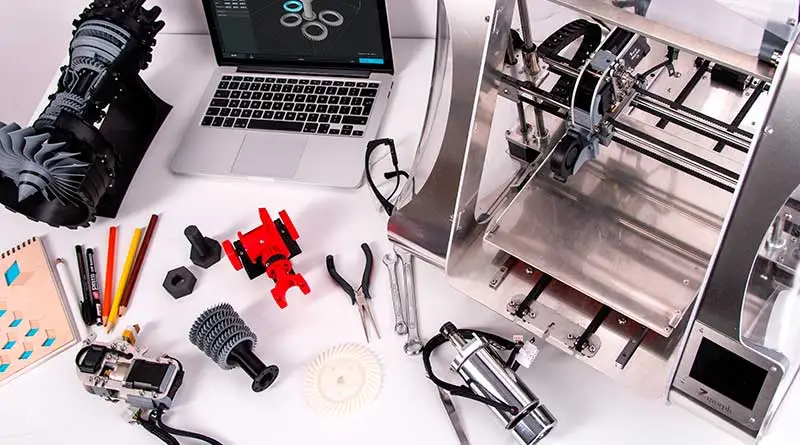
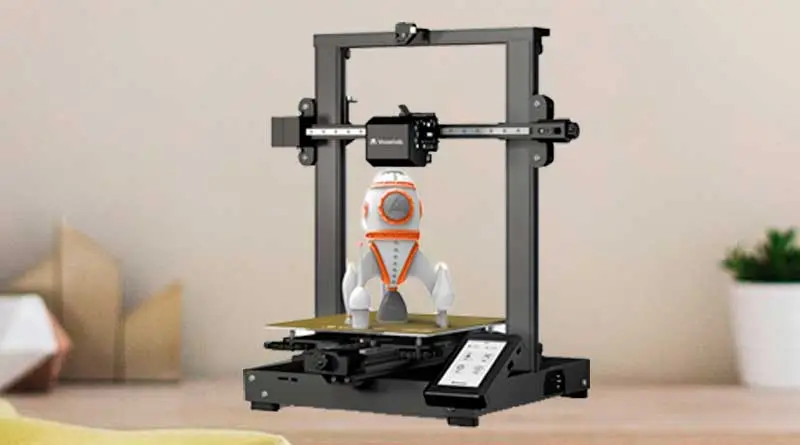
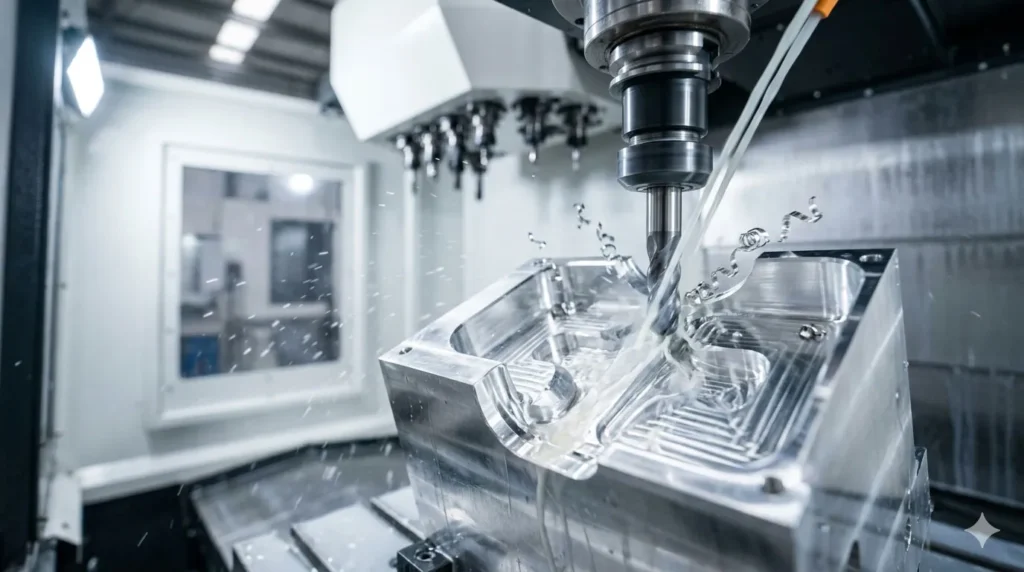
Like any expert in impresion3d.net/ You see, a 5-axis CNC machine or an industrial FDM printer are “dual-use” tools. The same machine that can manufacture a component for a medical ventilator or a rescue drone can, technically, also manufacture the mechanism housing for a firearm.
- Legal Uncertainty: If the law does not define with technical precision (microns, spindle power, type of material) which machines are affected, thousands of legitimate prototyping shops could fall into a legal gray area.
- Impact on Innovation: Fear of legal liability could cause major manufacturers to stop selling their most advanced equipment in California, slowing the region's technological development.
How does this affect the on-demand manufacturing sector?
It is important to clarify that, for now, this regulation focuses on the physical machine property. Cloud-based and on-demand manufacturing services (such as those we analyze in our rankings of suppliers in China) operate under a different framework.
However, the “domino effect” is real. If California implements these restrictions, it is very likely that other states and even European countries will follow suit. This could force global platforms to implement much more rigorous identity verification systems, even for orders of single parts.
YouTube Channel: 3D Printing Nerd
Conclusion: Public Safety or Surveillance-Based Digital Manufacturing?
The AB 2047 It opens up a necessary but dangerous debate. While authorities seek to close the legal loophole regarding "ghost guns," the technical community warns of the risk of criminalizing tools that are driving the new industrial revolution.
The AB 2047 in California marks a historic turning point. Unlike previous regulations, this proposal seeks not only to regulate the final product, but also to directly intervene in the tools and software. As we move forward into 2026, the industry faces the difficult task of balancing public safety with the right to innovation and open source.
It is essential to understand that, even though this law is being debated thousands of kilometers away, the technical precedent it sets (especially the use of mandatory blocking algorithms) could redefine how Chinese and European manufacturers design the machines we buy at Argentina, Spain, or Mexico.
Your voice is what builds this community
In impresion3d.net/, our mission is to ensure that technology remains a tool for empowerment, not surveillance. But to defend this ecosystem, we must first be informed and united.
- What do you think? Do you think these restrictions are a necessary safety measure or a “Trojan horse” designed to limit the freedom of the maker movement?
- Are you a professional in this field? Tell us how you think requiring the use of proprietary, closed-source software on your CNC or 3D machines would affect your workflow.
Leave your opinion below and share this article to spark a discussion
Don't miss our exclusive coverage:
If this issue concerns you, we recommend that you continue exploring ways to protect your production capacity in 2026:
Responses