3D Pens: The New Era of Creativity

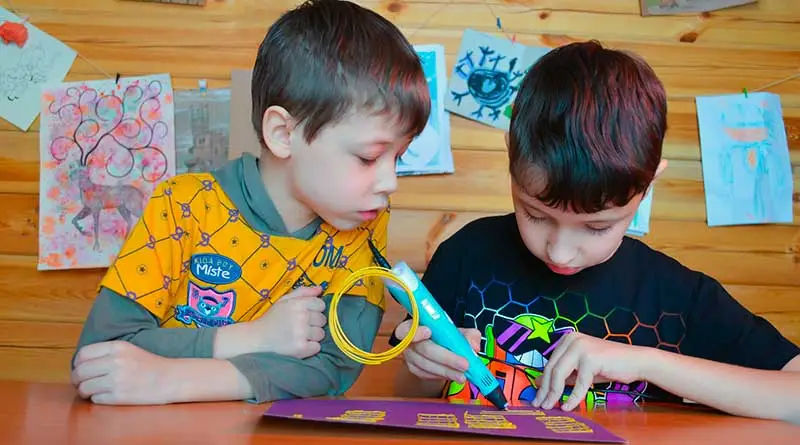
3D pens are innovative devices that allow you to turn your imagination into three-dimensional reality. By extruding molten plastic filaments, these pens let you create 3D objects freely and creatively.
In this article, you'll learn how they work, what materials they use, their advantages and disadvantages, and how they're applied in education.
What Are 3D Pens?
Imagine a pencil that, instead of ink, extrudes molten plastic that solidifies upon contact with the air. That's essentially what a 3D pen does.
These lightweight, easy-to-handle devices make it possible to create free-form three-dimensional structures.
The process involves the controlled extrusion of plastic filaments—usually PLA or ABS—which melt in a nozzle and are deposited in successive layers, solidifying as they cool.
These pens have a small nozzle through which the printing material is dispensed; it solidifies upon contact with the air.
How Do 3D Pens Work?
3D pens work using a process called fused filament deposition (FDM).
The device connects to a power source—either an internal battery or a power outlet—and as the user presses the button, the plastic filament is extruded through a heated nozzle.
The extrusion speed and temperature are adjustable to allow for greater flexibility in creating objects.
The user guides the pen along a surface, and as it moves, the plastic solidifies instantly, creating a 3D structure.
YouTube Channel: DDD Lab
What materials do 3D pens use?
The most common materials used in 3D pens are PLA (polylactic acid) and ABS (acrylonitrile butadiene styrene).
PLA is biodegradable and derived from natural resources, which makes it more environmentally friendly. ABS, on the other hand, is known for its strength and durability.
Here you can see a 20-roll pack of 5-meter PLA rolls, one for each color on Amazon.
Advantages and Disadvantages of Using a 3D Pen
3D pens offer a number of exciting advantages, such as the ability to create three-dimensional designs quickly and easily, but they also have some limitations.
One of the biggest advantages of using 3D pens is the ability to create 3D designs and objects by hand, which allows for greater creative freedom and customization. Plus, they're portable and easy to use anywhere.
The advantages include stimulating creativity, ease of use, versatility in creation, and the ability to make repairs.
However, the disadvantages include the initial learning curve, the need for skills to create more complex designs, and the limitation on the size of the objects that can be created due to the filament's diameter.
What can you do with a 3D pen?
The versatility of 3D pens is amazing. From creating three-dimensional art to repairing everyday objects, these devices have a wide range of applications.
You can use them to design custom jewelry, architectural models, fashion accessories, home decor, and much more.
In addition, they are an invaluable educational tool for teaching concepts in geometry, physics, and design to children and adults alike.
YouTube Channel: Dutch exp
3D Pens in Education
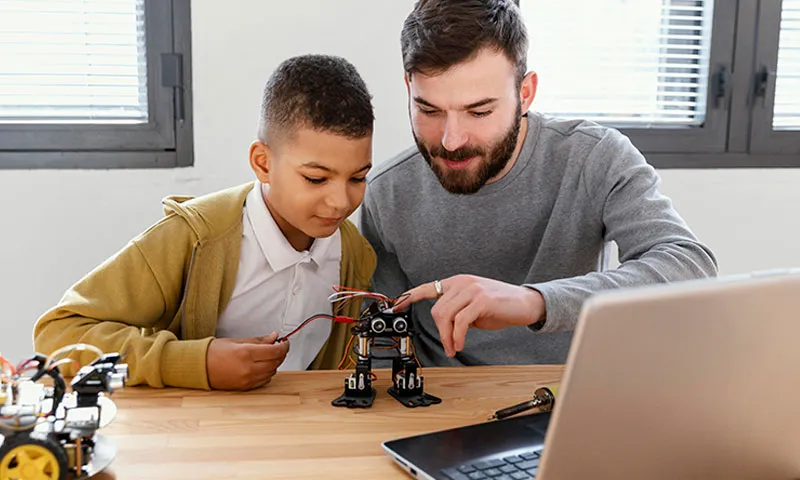
3D pens have found a special place in the educational setting. They stimulate students' creativity and provide them with a hands-on learning experience.
Teachers can use them to explain abstract concepts by creating three-dimensional models. They can be used in science and math classes to visualize abstract concepts in a more tangible and practical way.
3D pens can be a very valuable tool in the classroom. Students can use them to create 3D projects and bring their ideas to life.
In addition, they foster problem-solving and design skills, which are crucial in today's world.
3D pens can also be used in history and culture classes, allowing students to create replicas of historical objects and monuments.
How to Choose a 3D Pen
Choosing the right 3D pen can be overwhelming given the wide variety of models available.
Consider factors such as the power source (wireless or wired), the type of filament you want to use, ease of maintenance, and additional features, such as adjustable speeds and digital displays.
One of the best-selling and easiest-to-use 3D pens on Amazon is the MYNT3D Super 3D Pen that has more than 15,800 reviews, offering excellent value for the price.
For professional projects, look for advanced features and durability. On Amazon, you can find a model like the Filapen with more than 1,300 reviews and an affordable price.
For the little ones, there's the “MYNT3D Junior2 3D Pen ”for children," which uses a low-temperature PCL filament, further reducing the risk of burns (This model is not compatible with PLA or ABS filaments).
Where to Buy 3D Pens
3D pens can be purchased at stores specializing in technology and electronics, as well as at online retailers such as Amazon and Mercado Libre.
It's important to look for reliable sellers and read reviews from other users before making a purchase.
If you're eager to start your creative journey with a 3D pen, Amazon is a great place to look.
Here, you can find a wide selection of 3D pens from different brands and models.
Conclusion
These devices allow people of all ages to explore the world of 3D printing in an accessible and fun way.
Whether you use them for artistic, educational, or professional purposes, 3D pens are sure to inspire you to bring your ideas to life in a whole new way.
They allow users to bring their ideas to life in a creative and personalized way, and have applications in a wide variety of fields.
If you're interested in technology and creativity, don't hesitate to try out 3D pens and discover everything you can create with them.
Frequently Asked Questions
- Is it hard to learn how to use a 3D pen? No, with a little practice and patience, anyone can learn how to use one.
- Is it safe to use a 3D pen? Yes, they are safe as long as they are used properly and the manufacturer's instructions are followed.
- How long does it take for the printing material to set? It depends on the type of material used and the temperature of the pen, but it usually takes between 10 and 30 seconds to set.
- What kinds of designs can be created with 3D pens? You can create three-dimensional designs of a wide variety of objects and shapes, including toys.
- How much does a 3D pen cost? The average price ranges from $50 to $150, depending on the brand and the product's features.
Recommended publications:

[…] 3D Pens: The New Era of Creativity […]